
nobody started a personal brand because they were happy 💐
on fear, ambition, and the lie we all agreed to tell. plus 4 articles worth your time

Ring light’s on. Camera’s been rolling for about 90 seconds and I haven’t said a word.
I’m supposed to be filming a video called “How to Build Your Personal Brand in 2026.” I’ve done this exact video before. Same title, same outfit, same ring light that cost me £45 on Amazon and has never once made me look as good as the girl in the reviews. (She was lying too, by the way. We’re all lying. But I’ll get to that.)
My notes are on my laptop next to the camera. I’ve got my hooks. I’ve got my 3-step framework. I’ve got a stat about how 70% of hiring managers check candidates’ social presence before scheduling an interview. I’ve got the whole performance ready.
But today, for some reason, I just can’t press record.
Because the thing I’m about to say into this camera is not the whole truth.
And I just realized it.
The Script vs. The Subtext
Here’s what the video is supposed to say:

Building a personal brand opens doors. It creates opportunities you’d never get through your 9-5 alone. It’s career insurance. It’s the smartest thing you can do for your future.
And all of that is true. Technically. In the way that “exercise is good for you” is technically true when someone is running from a bear.
The truth is simpler and much less camera-ready: I didn’t start building a personal brand because I was ambitious. I started because I was scared.
Most of us did. We just don’t say it like that because “I’m building an audience in case my company lays me off and my rent in Zone 1 eats me alive” doesn’t exactly perform well as a caption.
The Fear Rebrand
I’ve started calling it The Fear Rebrand. Because I think we’ve pulled off one of the most impressive collective rebranding exercises in recent history.

An entire generation of professionals has taken their economic terror and repackaged it as entrepreneurial ambition.
Here’s what I mean.
Your employer does not love you.
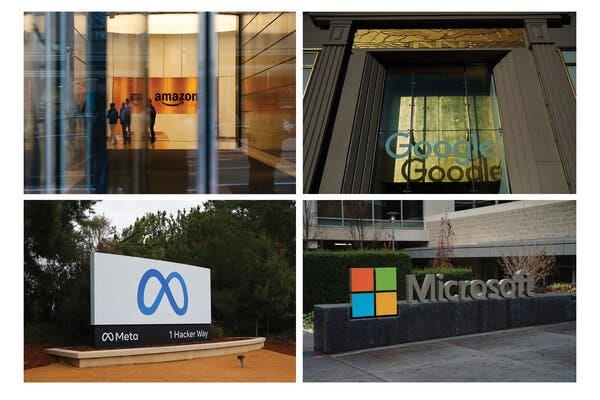
My previous company just did a massive round of layoffs. Is likely doing another. Meta let go of 8,000 people. Google cut teams that had just shipped products. These weren’t underperformers. These were people who did everything right and still got a calendar invite titled “Organisational Update” on a Tuesday morning.
I have a friend who found out she was laid off because her Slack went grey. Not a call. Not a meeting. Her green dot just disappeared.
So when someone with 200K followers tells you “build your personal brand for the opportunities,” what they’re actually saying, whether they know it or not, is: build something that can’t fire you. Build a version of your career that doesn’t depend on someone else’s Q3 budget review.
Build a backup. Because the primary thing has proven, repeatedly, that it will let you go and send a company-wide email about “difficult decisions” and then post a job listing for your role 3 weeks later at a lower salary.
Your salary doesn’t love you either.
If you live in London and you earn £50,000 and you pay rent in any zone that has actual transportation, you are not comfortable. You are surviving. You are one emergency, one broken boiler, one “we need to talk” from a landlord away from financial stress. In New York it’s worse.
In Mumbai it’s different but equally suffocating in its own way, especially if you’re sending money home, which most of my desi readers are, and which nobody includes in their “cost of living” analyses.
(The cost of being a good daughter doesn’t appear on any spreadsheet. But it’s there every month. It’s always there.)
Your brand is your second income. Or your future second income. Or your “in case of emergency break glass” income. And we all know this. We just don’t talk about it because the creator economy narrative requires us to pretend this is a choice and not a calculated hedge against a system that has made stable employment feel like a nostalgia trip.
Your identity has no backup.
This is the one nobody talks about.
When LinkedIn becomes your identity, when “Senior Marketing Manager at [Company]” is the answer to “so what do you do?”, when your Slack status is the closest thing you have to a personality... and then the company takes that away? You don’t just lose a job.

You lose the entire scaffolding of who you are.
A personal brand fixes that. It gives you a name that isn’t attached to someone else’s logo. It gives you a story that survives the organisational restructure. It gives you something to say at dinner after the layoff that isn’t “I’m figuring things out” while your eyes go slightly glassy.
(We’ve all been there. Or at least rehearsed being there in the shower. Which is sometimes worse.)
The Achievement Society’s Favourite Trick
Byung-Chul Han, a Korean-German philosopher and genuinely one of the most underrated thinkers of the last decade (if you haven’t read him, start now, thank me later), wrote about this in The Burnout Society.
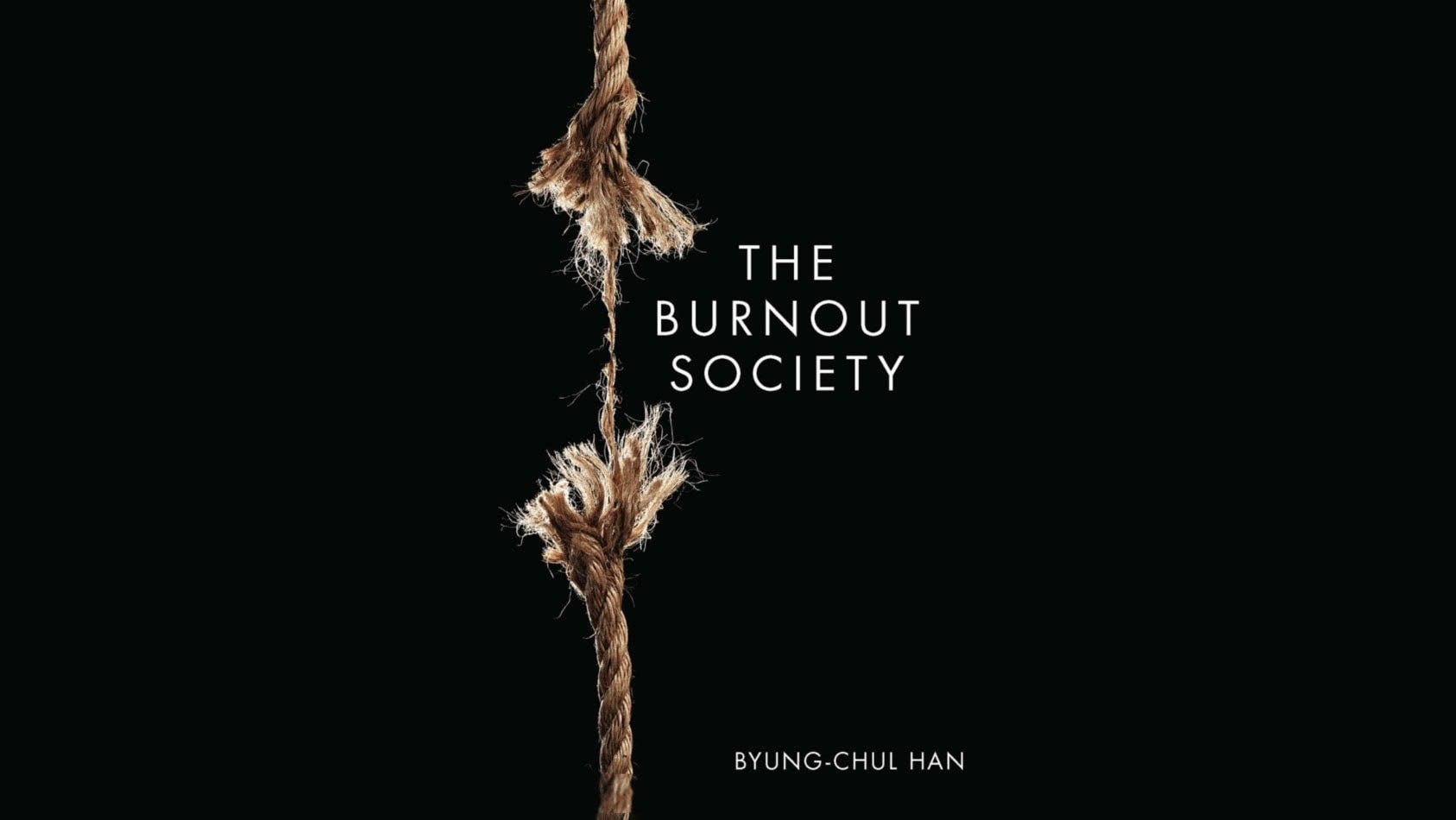
His argument goes like this:
We used to be exploited by external forces.
Bosses. Systems. Institutions.
Now we exploit ourselves. We’ve internalised the pressure so completely that we don’t even need a manager telling us to work harder. We do it voluntarily. We call it “passion.” We call it “building something.” We call it “personal brand.”
Han calls us “achievement subjects.” You’re not a worker anymore. You’re an entrepreneur of the self. Which sounds liberating until you realise you’ve just become both the employer AND the employee. You set your own hours (all of them). You run your own performance reviews (constant, merciless, conducted at 1am while doom-scrolling your own analytics). You can’t quit because you are the company.
The irony is almost perfect. You started building a brand to escape the fragility of employment. And now you’ve built a smaller, lonelier, less regulated version of the exact same machine. Except this one doesn’t offer healthcare, holiday pay, or anyone to have lunch with.
(At least at my old job I had free snacks and my friend Poppy who would tell me when I had lipstick on my teeth before a big meeting. The ring light doesn’t do that.)
The Part That Actually Stings
Here’s the thing that keeps me staring at this camera instead of pressing record.
The creators telling you to build a personal brand? They’re doing it for the same reason you are.
The girl with 500K followers selling a course on “monetising your audience”? She’s building hers because she watched her industry collapse and she needs the course revenue to cover the gap. The guy posting “morning routine” content? He’s terrified that his startup is 6 months from running out of runway and he needs a fallback. The career coach who “left corporate and never looked back”? She looked back. She looks back constantly.

She just can’t say that because her entire business depends on the narrative that leaving was a liberation, not a lifeboat.
It’s fear all the way down. The whole ecosystem is a support group pretending to be a masterclass.
And I don’t say that to be cynical. I genuinely don’t. I say it because I think there’s something actually freeing about admitting it. Because once you stop pretending this is purely about ambition, once you look at it clearly and say “I’m building this because I’m afraid, and that’s OK, and that’s a perfectly valid reason to build something,” the whole thing gets lighter.
You stop performing ambition and start being honest about survival. And weirdly, that honesty is the most ambitious thing you can do.
Anyway…
The camera’s still running. 4 minutes and 12 seconds of footage of me sitting here thinking.
I lean forward. Turn it off.
And then I turn it back on. Because what else am I going to do?
We’re afraid. We’re building. Those two things are not in conflict. They never were.
📖 Antidoomscroll Homework
Dear reader who just mass-unfollowed 30 “build your brand” accounts and feels strangely lighter,
This piece argues that the hustle culture backlash isn’t laziness, it’s a rational response to broken promises. If you’ve ever felt guilty for not wanting to optimise every waking hour, this will feel like someone finally said the thing.
The Age of Anti-Ambition — The New Yorker
Dear reader who sends money home every month and has never once been able to explain that to a colleague without it sounding like a sob story,
A beautiful, specific essay about the invisible financial lives of first-generation professionals. The kind of costs that never appear in salary benchmarking tools but show up in your bank account on the 1st of every month. I read it twice.
The Hidden Financial Lives of First-Gen Professionals — Refinery29 UK
Dear reader who has “build personal brand” on a Notion to-do list that’s been sitting there since October,
Byung-Chul Han (the philosopher I referenced in the essay) gave one of his rare interviews and it’s short, sharp, and will make you rethink everything you thought you knew about productivity and freedom. Read it with a coffee. Then sit with it for a while.
Byung-Chul Han: “We’re Living in a System That Exploits Freedom” — El País
Dear reader who needs something that has absolutely nothing to do with careers, brands, or capitalism,
This is a short, strange, wonderful essay about the overlooked pleasure of doing things badly on purpose. No life lesson. No takeaway. Just a person who decided to paint terrible watercolours and discovered something they can’t quite name. It’s the most off-brand thing in this newsletter and I love it for that.
How to Do Nothing — Jenny Odell
✉️ Dear Gentle Reader
I filmed the video, by the way. It’s fine. It’s good, even. But I kept thinking about all of you while I was recording it, all of us trying to figure out this “building a personal brand” thing.
You’re doing something brave with imperfect information and a lot of fear, and that counts for more than any follower count ever will.
Take care of yourself this week.
Avec amour,
Aditi x